



Key Ingredient
Organic acids
pH Range
1.5 - 2.5
Applications
Removal of metal scales
Key Ingredient
Organic acids
pH Range
2.0 - 3.0
Applications
Scale removal in heat exchangers
Key Ingredient
Organic acids
pH Range
2.0 - 4.0
Applications
Effective in hard-to-remove metal scales
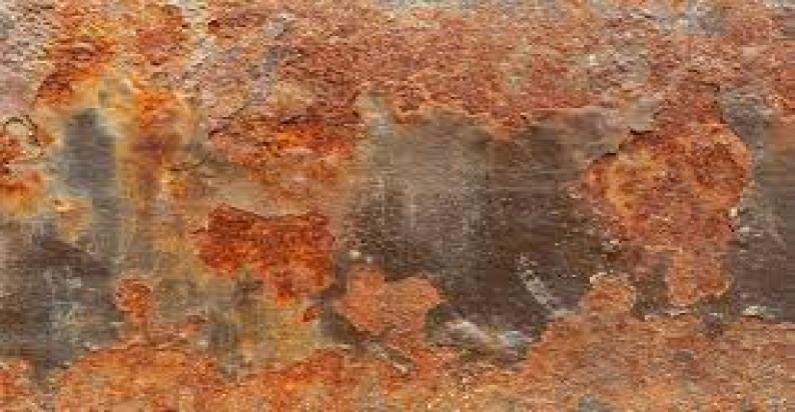
Understanding Scale Formation and Its Impact
Scale on metal surfaces is formed due to the accumulation...
Read More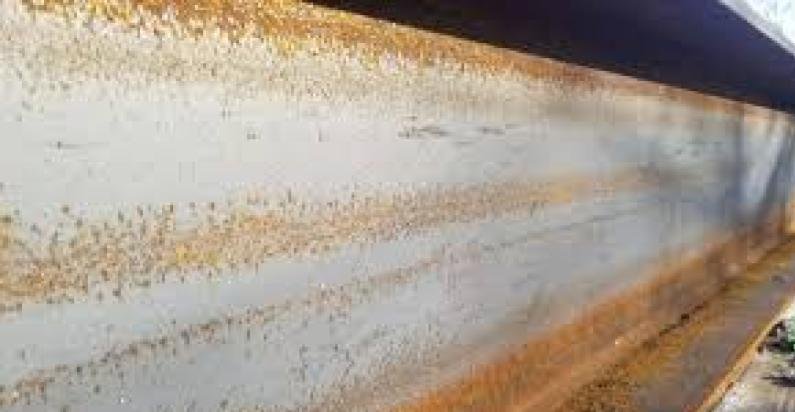
Role of Scale Cleaner Chemicals
When hard water is heated or left stagnant, these minerals...
Read More
Implementing Effective Maintenance Strategies
Scale on metal surfaces is the buildup of mineral deposits such as calcium...
Read More
Understanding Rust and Ferrous Oxide Form
Rusting is the corrosion process that occurs when iron or steel...
Read More
Mechanism and Types of Rust Cleaner
Rusting is a natural corrosion process that affects iron...
Read More
Implementing Rust Cleaning Strategies for Maintenance
These oxide layers reduce surface strength, affect appearance...
Read More
Key Ingredient
Rust removal agents
pH Range
2.0 - 4.0
Applications
Removal of rust and oxidation from metals
Key Ingredient
Rust removal agents
pH Range
2.0 - 4.0
Applications
Removal of rust and oxidation from metals
Key Ingredient
Rust removal agents
pH Range
2.0 - 4.0
Applications
Rust removal from machinery, metal parts
Key Ingredient
Acidic metal chelating agents
pH Range
2.5 - 6.0
Applications
Descaling of metal fouling in industrial systems
Key Ingredient
Metal chelating agents and acids
pH Range
3.0 - 6.5
Applications
Foulant removal in water treatment systems
Key Ingredient
Specialized acid-based formulation
pH Range
3.5 - 6.0
Applications
Descaling and metal fouling removal in industrial systems
Understanding Foulants and Their Impact
Metal surfaces, especially inner shells of industrial equipment...
Read More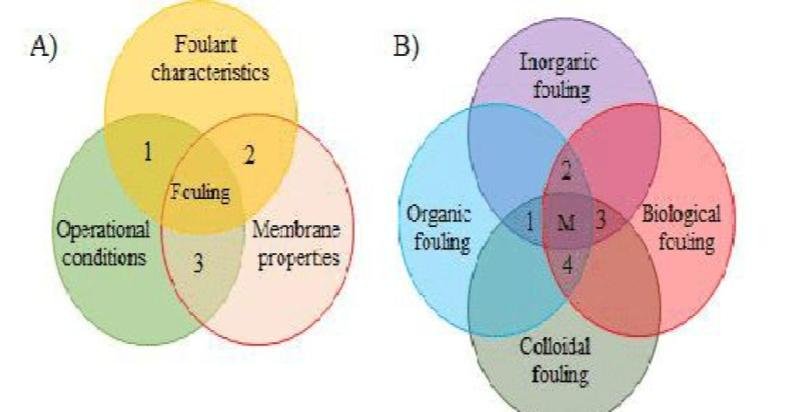
Mechanism of Foulant Cleaner
In industrial operations, metal surfaces—particularly inner shells...
Read More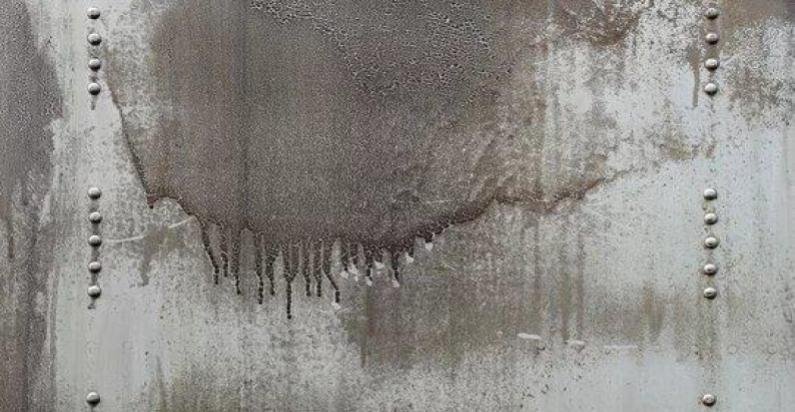
Implementing Effective Maintenance Strategies
Metal surfaces, especially inner shells of industrial equipment, often accumulate...
Read More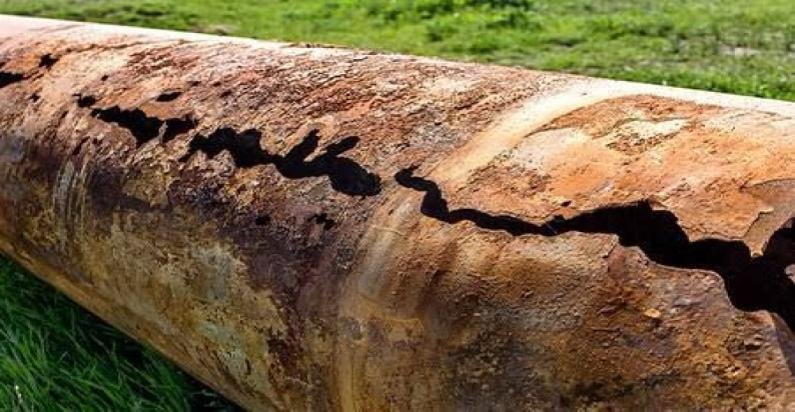
Understanding Stainless Steel Corrosion
The Science of Metal Protection and Passivation of Stainless Steel...
Read More
Principles and Mechanisms of Passivation
Passivation of metals, especially stainless steel (SS), is a critical process...
Read More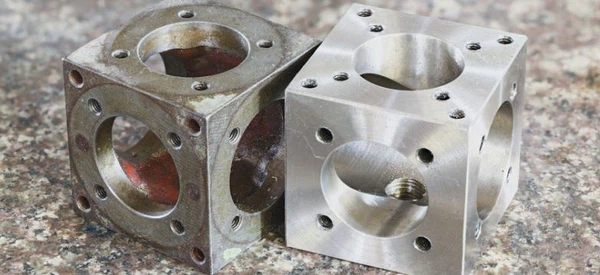
Implementing Metal Protection Strategies
Passivation is achieved by creating a thin oxide layer on the metal surface...
Read More
Key Ingredient
Phosphoric acid, Nitric acid
pH Range
2.0 - 4.0
Applications
Passivation of stainless steel and other alloys
Key Ingredient
Citric acid, Phosphoric acid
pH Range
2.5 - 4.5
Applications
Passivation and cleaning of steel and stainless steel
Key Ingredient
Phosphoric acid, Hydrochloric acid
pH Range
1.8 - 3.8
Applications
Metal surface passivation and cleaning of alloys
Key Ingredient
Soluble oils and emulsifiers
pH Range
8.0 – 9.0
Applications
general-purpose metal cutting and machining operations
Key Ingredient
Semi-synthetic lubricants and corrosion inhibitors
pH Range
8.5 – 9.2
Applications
Precision machining and grinding of ferrous and non-ferrous metals
Key Ingredient
Fully synthetic lubricants and advanced additives
pH Range
8.8 – 9.5
Applications
Heavy-duty metal cutting and high-speed CNC machining
Understanding Metal Working Fluids
Heat generation, friction, and corrosion are common challenges in machining...
Read More
Functions and Benefits of Metal Working Fluids
During machining, continuous contact between the cutting tool and the work piece...
Read More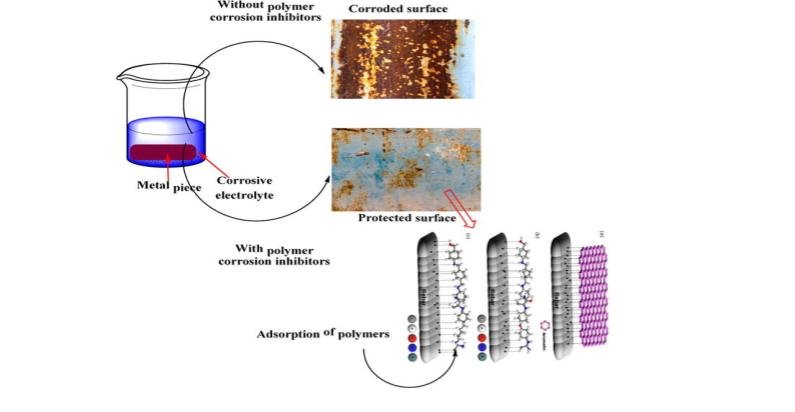
Best Practices for Using Metal Working
Heat generation, friction, and corrosion are common challenges...
Read More
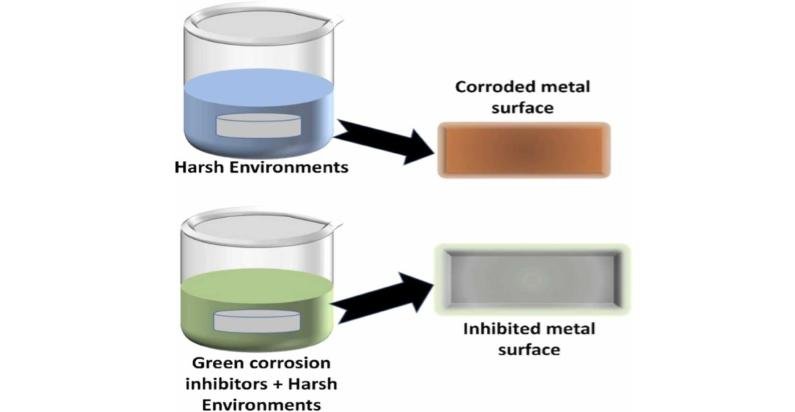
Understanding Metal Corrosion and Its Risks
Introduction to Metal Corrosion is a natural process in which metals...
Read More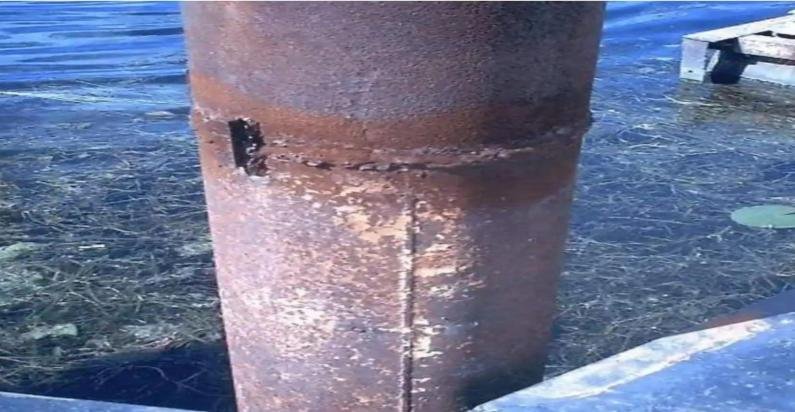
Mechanism and Efficiency of Corrosion
Corrosion is a natural process of deterioration that occurs when metal...
Read More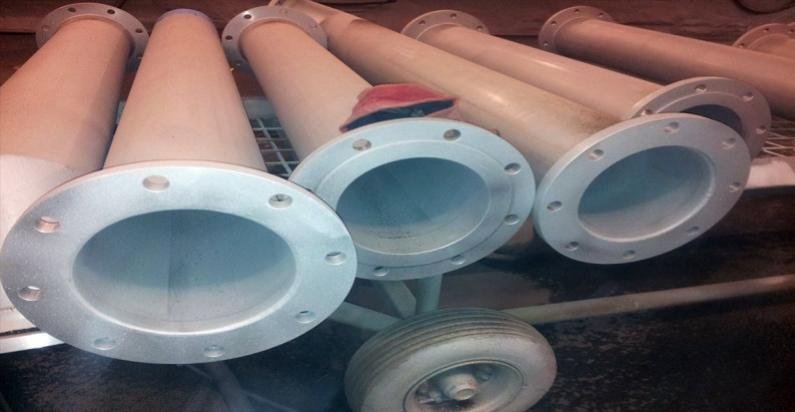
Corrosion Control Strategies
Corrosion can occur through several chemical and electrochemical processes...
Read More
Key Ingredient
Inorganic corrosion inhibitors
pH Range
5.0 - 9.0
Applications
Used for corrosion protection in industrial water systems
Key Ingredient
Inorganic corrosion inhibitors
pH Range
5.0 - 9.0
Applications
Used for corrosion protection in industrial water systems
Key Ingredient
Inorganic corrosion inhibitors
pH Range
5.0 - 9.0
Applications
Used for corrosion protection in industrial water systems
Key Ingredient
Solvent base with corrosion preventive oils
pH Range
7.0 – 7.5
Applications
Displacement of moisture after machining or cleaning operations
Key Ingredient
Solvent base with polar corrosion inhibitors and protective oils
pH Range
7.0 – 8.0
Applications
Moisture removal and medium-term corrosion protection
Key Ingredient
Refined solvents blended with advanced synthetic corrosion inhibitors
pH Range
7.5 – 8.5
Applications
Long-term rust prevention and preservation of critical metal components
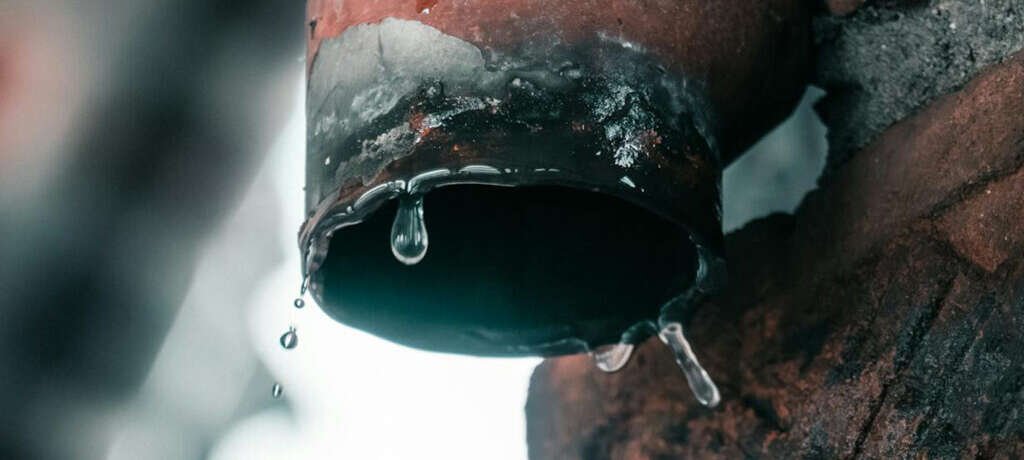
Fouling, Slagging, and Corrosion in Biomass
Heat generation, friction, and corrosion are common challenges in machining...
Read More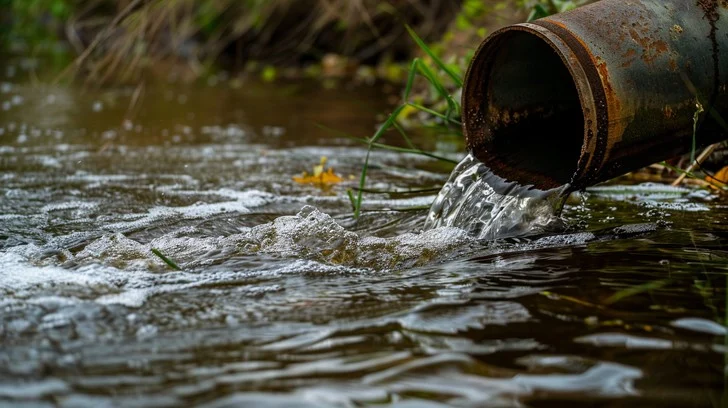
Mechanisms Behind Fouling
Metal Water Displacer plays a crucial role in protecting metal surfaces...
Read More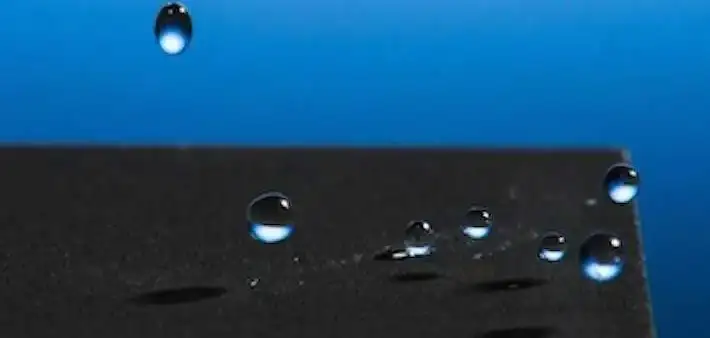
Strategies and Solutions for Mitigation
Metal Water Displacers are formulated with hydrophobic agents and corrosion.
Read More